Apple Watch AI features normalize always-listening tech, raising consent questions
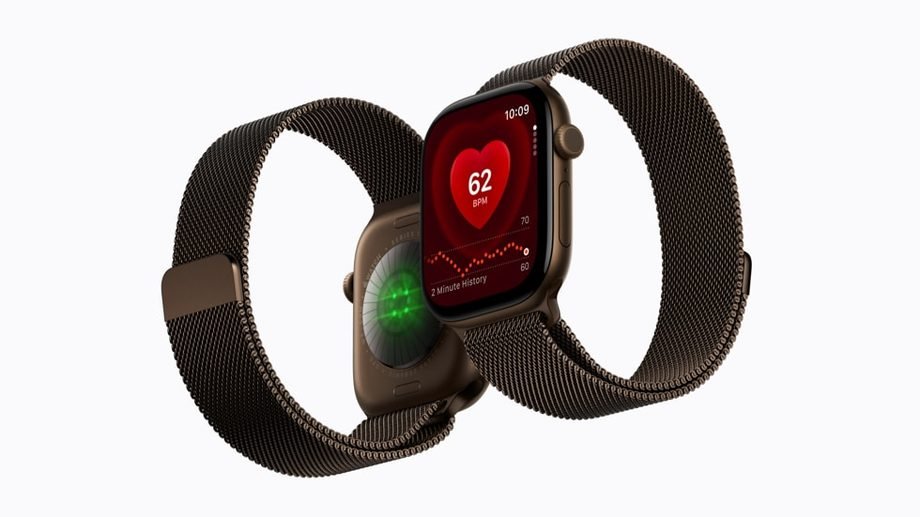
Apple is asking consumers to accept, and even welcome, a new reality: their technology is always listening. At Wednesday's "Surprise and Shine" iPhone event, where the company introduced its new hardware lineup, the real surprise was not the foldable iPhone but how the famously privacy-sensitive tech giant has decided its watches will now process live audio and transcribe what was said. The company says the new watches will not save raw audio, but the features still raise questions about consent, privacy, and how people behave when they know they could be recorded at any moment.
The new capabilities sit under three features: "Audio Intelligence," "Live Rewind," and "Siri Recap." Audio Intelligence is the least controversial of the three. It uses on-device AI to alert Apple Watch owners to sounds like sirens, alarms, doorbells, and babies crying, and it can work even when the wearer's iPhone is not with them. In some cases it could provide life-saving assistance, such as when a fire alarm or carbon monoxide detector goes off. TechCrunch notes it is doubtful anyone would take issue with this type of audio AI.
Live Rewind and Siri Recap move out of the assistive technology space and into murkier territory. These features can transcribe recent speech and summarize ambient conversations, which means the person you are talking to could be wearing a watch that is capturing what you say. Apple's data protections may make the features more palatable to some consumers, but TechCrunch argues there is still the possibility that normalizing listening technology may not be the best move for a privacy-conscious company, especially given the broader consumer backlash against surveillance technology like Flock cameras, AI data centers, and AI apps in general.
The move also raises the question of whether consumers actually want this technology, or whether Apple forged ahead because it feared that another company, such as OpenAI, would soon introduce a competitive AI device of its own. A number of startups are already acting on the belief that AI-powered transcription is a key consumer use case, though so far that has more often meant transcribing meeting notes or recording lectures and interviews. Some companies, like the AI pendant Friend and Amazon's Bee, have gone further with always-available AI companions that passively take notes to help users remember their day. Apple has chosen a slightly different route, straddling the line between accessibility and utility on one side and what starts to feel like invasive technology on the other.
Apple has not yet detailed the full scope of how the features will handle consent, what indicators will alert people nearby that a watch is listening, or how the on-device processing will handle edge cases. The company's assurances that raw audio is not saved address one privacy concern but leave open the larger social question of whether always-on listening, even when processed locally, changes the dynamics of everyday conversation. What remains unknown is how consumers will respond once the watches are in the wild, and whether the features will be received as helpful accessibility tools or as another step toward normalized surveillance.
Apple's decision to put live audio transcription on its watches could reset consumer expectations about always-listening technology, testing whether privacy protections can offset the social discomfort of being recorded.